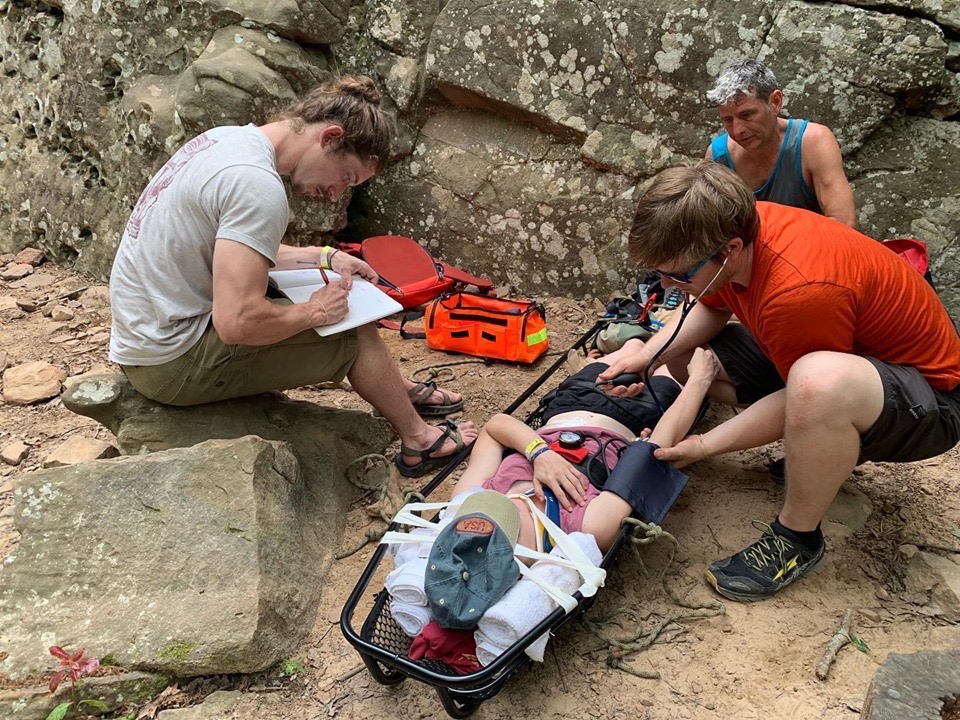
Nestled in the heart of the breathtaking Arizona wilderness, my recent experience with the National Outdoor Leadership School (NOLS) for a Wilderness First Responder (WFR) course was nothing short of life-changing. This adventure was more than just a foray into the world of wilderness medicine—it was a deep dive into the importance of higher wilderness medicine education for outdoor enthusiasts and adventurers. Join me as I share my journey through this incredible course and explore why every outdoor enthusiast should consider taking a WFR course.
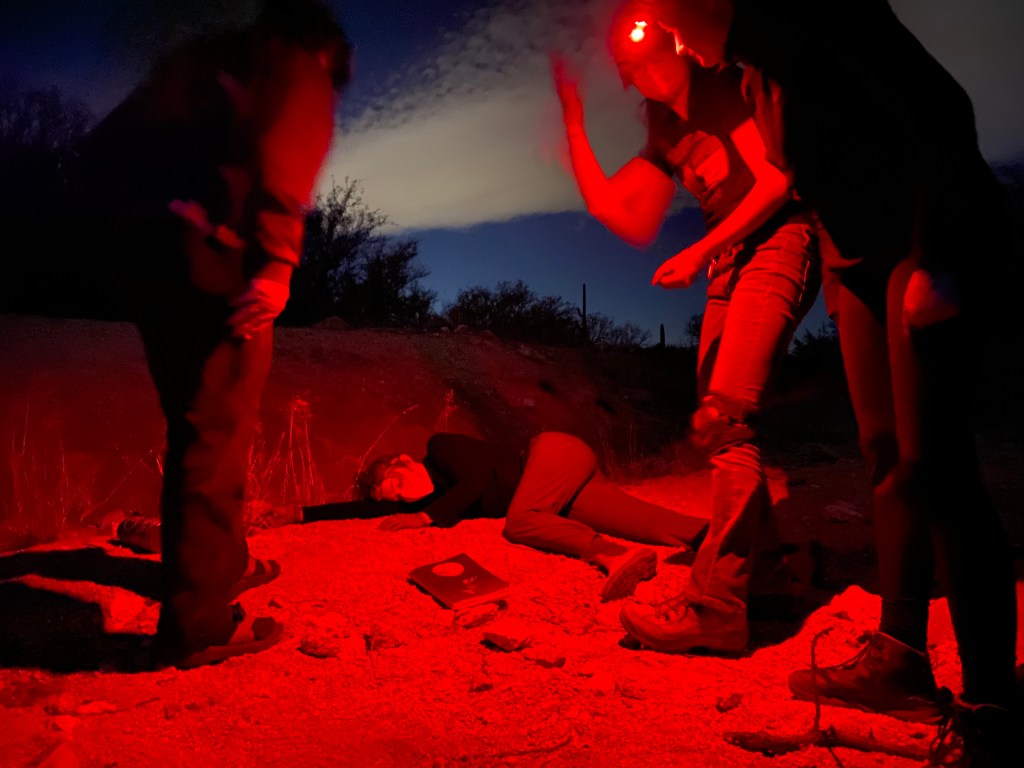
Unveiling the NOLS Experience in Tucson:
Tucson, Arizona, provided the perfect backdrop for our NOLS WFR course. Surrounded by the rugged beauty of the Sonoran Desert, the course started with a bang, immersing us in the core principles of wilderness medicine. Instructors were not just educators; they were seasoned experts who had countless outdoor stories to tell.
Our journey began with the basics: the ABCs of assessing injuries and illnesses—Airway, Breathing, Circulation. Learning how to stabilize a patient in the field felt like deciphering a complex puzzle, but under the guidance of our instructors, we slowly found our footing.
The Importance of Wilderness Medicine Education:
As outdoor enthusiasts, we often find ourselves far from the comforts of civilization. Whether you’re a hiker, a camper, a climber, or an adventure seeker of any kind, the need for wilderness medicine knowledge cannot be overstated. Here’s why:
- Remote Locations: The beauty of the outdoors is its remoteness. This, however, can also be a challenge when accidents happen. A WFR course equips you to provide immediate care, potentially saving lives when professional help is hours away.
- Understanding of the Environment: Wilderness medicine isn’t just about band-aids and splints; it’s about understanding the unique challenges presented by the outdoors. From altitude sickness to heat-related illnesses, a WFR course provides insights into the environmental factors that can affect health.
- Confidence in the Field: Knowing what to do in an emergency situation is not just comforting—it’s empowering. Confidence in your ability to respond to crises can transform your outdoor experiences.
- Building a Safety Culture: By taking a WFR course, you’re contributing to a culture of safety within the outdoor community. When more individuals are educated in wilderness medicine, the collective experience becomes safer for everyone.
In the Field: Simulation and Real-Life Scenarios:
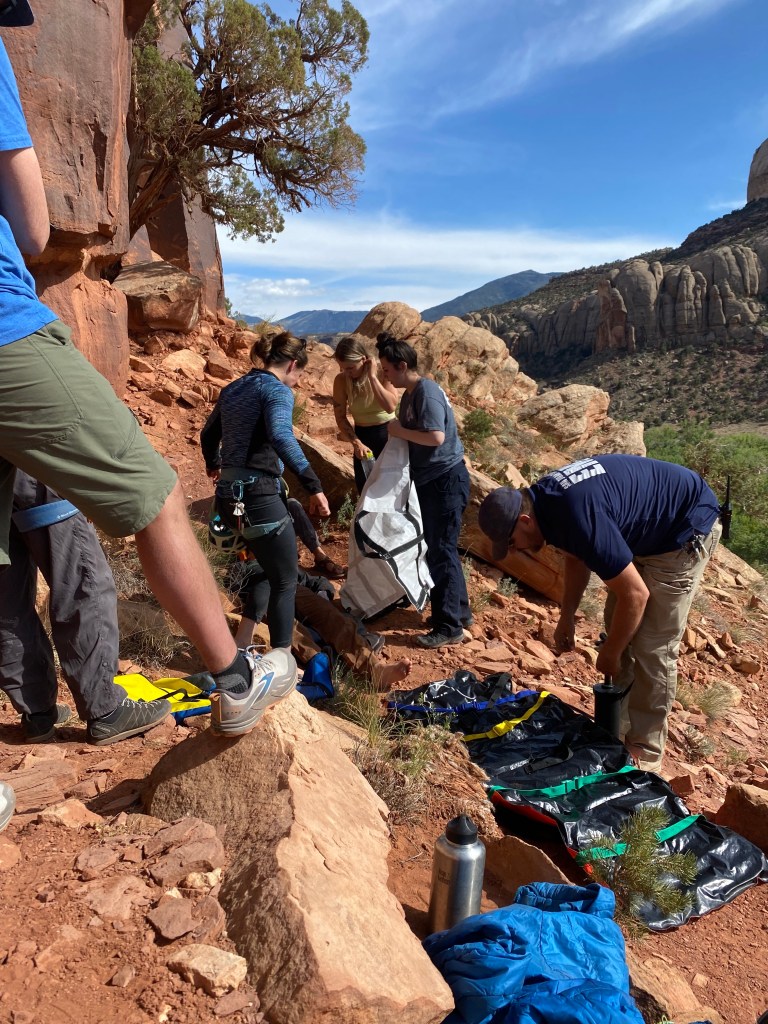
The NOLS course was not all classroom lectures. In fact, most of the learning happened in the field. We simulated injuries, performed patient assessments, and enacted rescue scenarios. These practical exercises helped us apply the knowledge we’d gained, making the learning experience vivid and memorable.
As a team, we learned to trust each other and ourselves, working cohesively to tackle challenging situations. These field exercises were intense and occasionally nerve-wracking, but they were instrumental in preparing us for real-life situations.
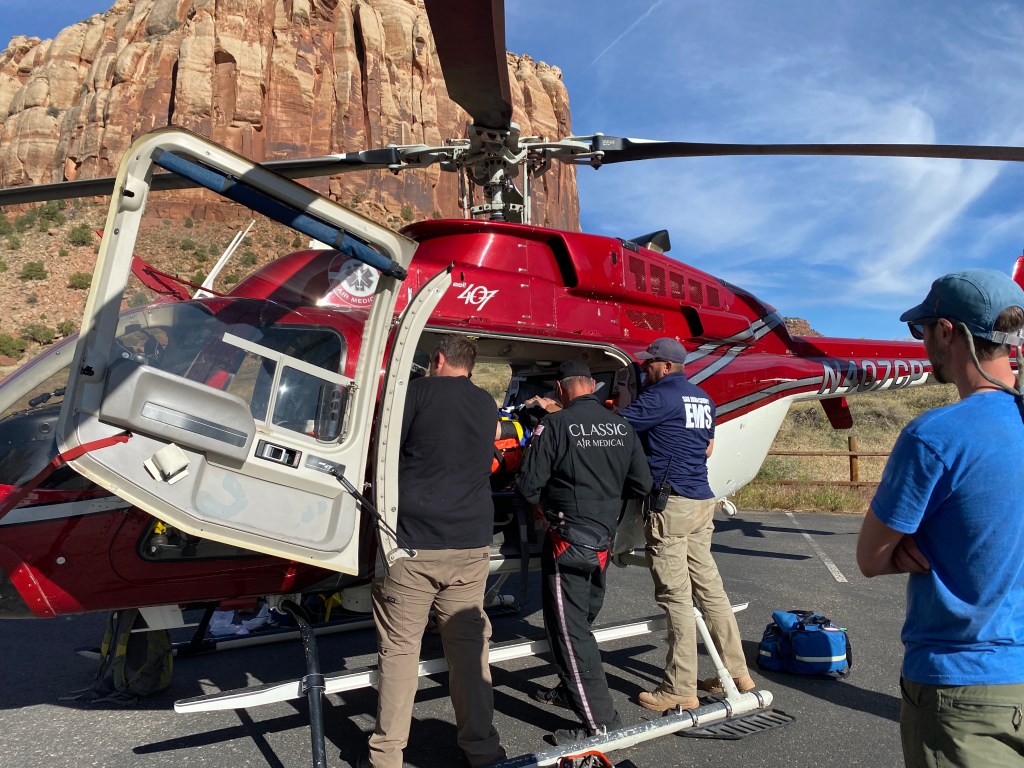
My Wilderness First Responder course with NOLS in Tucson, AZ, was not only a journey into wilderness medicine but a revelation of the responsibility that comes with being an outdoor enthusiast. Higher wilderness medicine education equips us to be stewards of the outdoors, capable of helping others when they need it most.
By investing in a WFR course, you’re not just gaining a skill set; you’re becoming a guardian of the wilderness, someone who can ensure the safety and well-being of fellow adventurers. So, if you’re passionate about outdoor recreation, take the leap and consider enrolling in a WFR course. It’s an investment in your own safety and the safety of those who share your love for the great outdoors.


Leave a Reply