Emergency and survival are terms thrown around quite a bit in the outdoors. What those words mean to different people is based a lot on experience and life lessons taught the hard way.
I know much of my personal kit has been refined and defined by the circumstances I’ve found myself in.
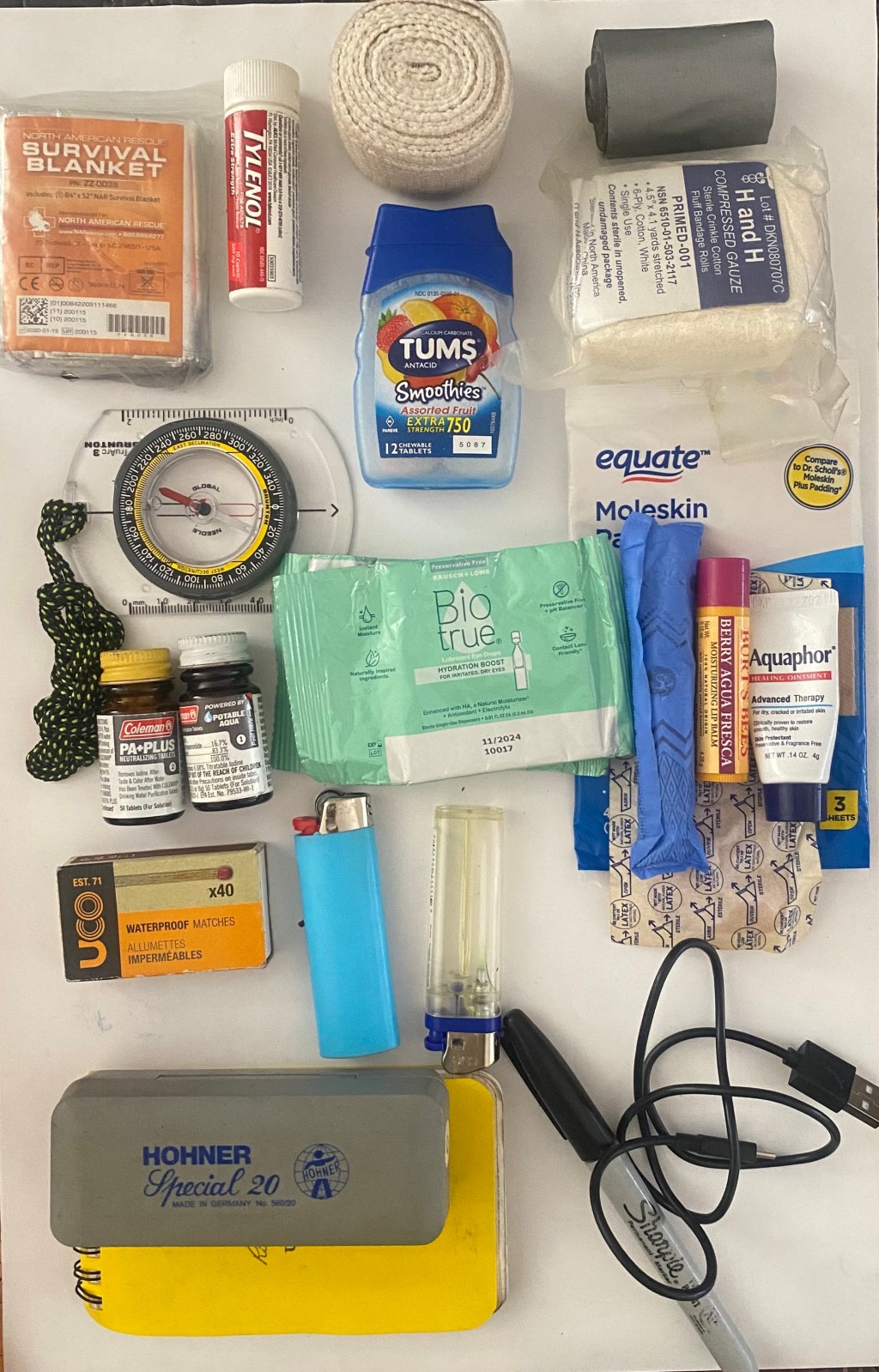
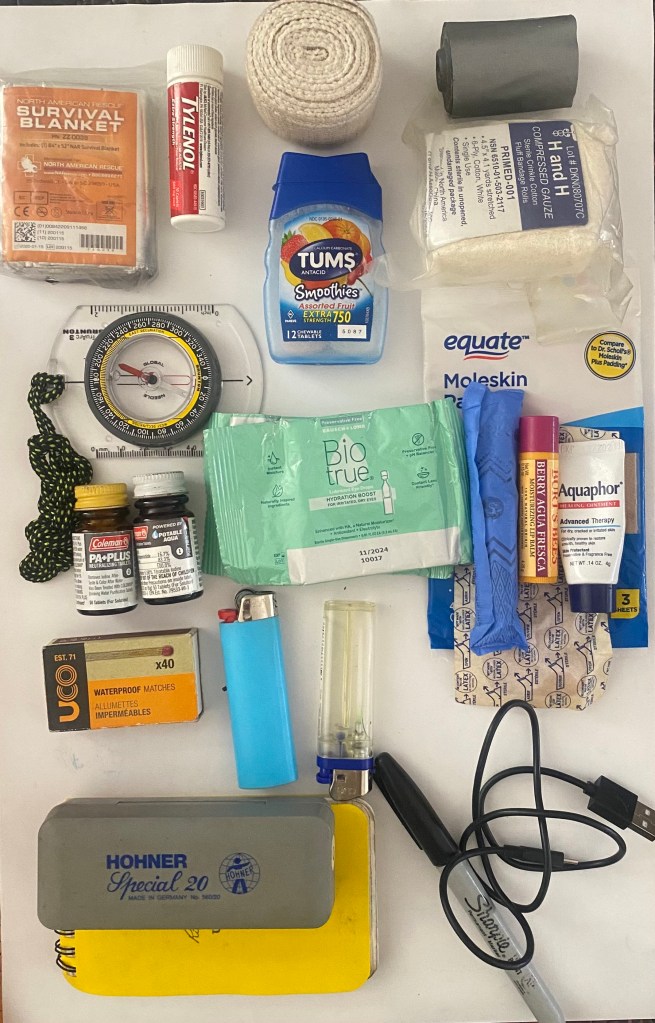
My mid-level emergency kit that stays altogether in a red bag, usually in the brain of my pack.
Hiking, a popular outdoor activity, offers numerous benefits for both physical and mental well-being. However, as hikers venture deeper into the wilderness, they must also assume a significant responsibility: preserving the very environment they seek to enjoy. Sustainable hiking practices have become essential to ensure that future generations can revel in the same pristine landscapes. In this article, we’ll explore various strategies to minimize our impact on nature and promote responsible hiking.
“Leave No Trace” is the golden rule of sustainable hiking. It comprises seven core principles that guide hikers to minimize their impact on the environment. These principles include planning and preparing, disposing of waste properly, respecting wildlife, staying on designated trails, and minimizing campfire impact. By following these guidelines, hikers can enjoy the great outdoors while preserving its beauty.
Stick to Established Trails
One of the most effective ways to minimize environmental impact is to stay on designated hiking trails. Straying off the path can lead to soil erosion, destruction of delicate vegetation, and disturbance of wildlife. Well-trodden trails have been carefully planned to balance human access with conservation efforts.
Pack It In, Pack It Out
Proper waste management is crucial for sustainable hiking. Never litter, and always carry out everything you bring with you, including trash, food scraps, and personal items. The goal is to leave the natural environment exactly as you found it.
Minimize Campfire Impact
Campfires can be a cherished part of the hiking experience, but they can also leave lasting scars on the environment. When fires are permitted, use established fire rings and keep fires small. Alternatively, consider using a portable camp stove to reduce your impact further.
Respect Wildlife
Wildlife encounters are one of the joys of hiking, but it’s essential to observe these creatures from a safe distance. Do not approach, feed, or disturb animals. Keep pets on a leash and follow all regulations designed to protect wildlife in the area.
Sustainable Gear Choices
Consider the environmental impact of the gear you use. Opt for eco-friendly and sustainable materials when purchasing hiking equipment. Additionally, investing in high-quality, long-lasting gear reduces the need for frequent replacements, which ultimately minimizes waste.
Conserve Water
Water is essential for any hiking adventure, but it’s equally important to conserve it. Use a reusable water bottle and a water filter or purifier to reduce the need for disposable bottles. Be mindful of local water restrictions and regulations when obtaining water in the backcountry.
Respect Local Regulations
Every hiking destination has its unique set of rules and regulations designed to protect the environment. Educate yourself on these rules and ensure you follow them diligently. These regulations may include permit requirements, camping restrictions, and even seasonal trail closures.
Support Conservation Efforts
Consider giving back to the hiking community and the environment by volunteering with organizations that focus on trail maintenance and conservation. Contributing your time and resources can have a lasting positive impact on the natural areas you love to explore.
Sustainable hiking practices are more critical than ever as the planet faces increasing environmental challenges. By adhering to the “Leave No Trace” principles and taking additional steps to minimize your impact, you can enjoy the great outdoors while helping to preserve its natural beauty for future generations. Responsible hiking not only benefits the environment but also ensures that others can continue to experience the wonders of the natural world. As a hiker, you are not just an observer of nature; you are a steward, and your actions can make a significant difference in the long-term health of our planet.
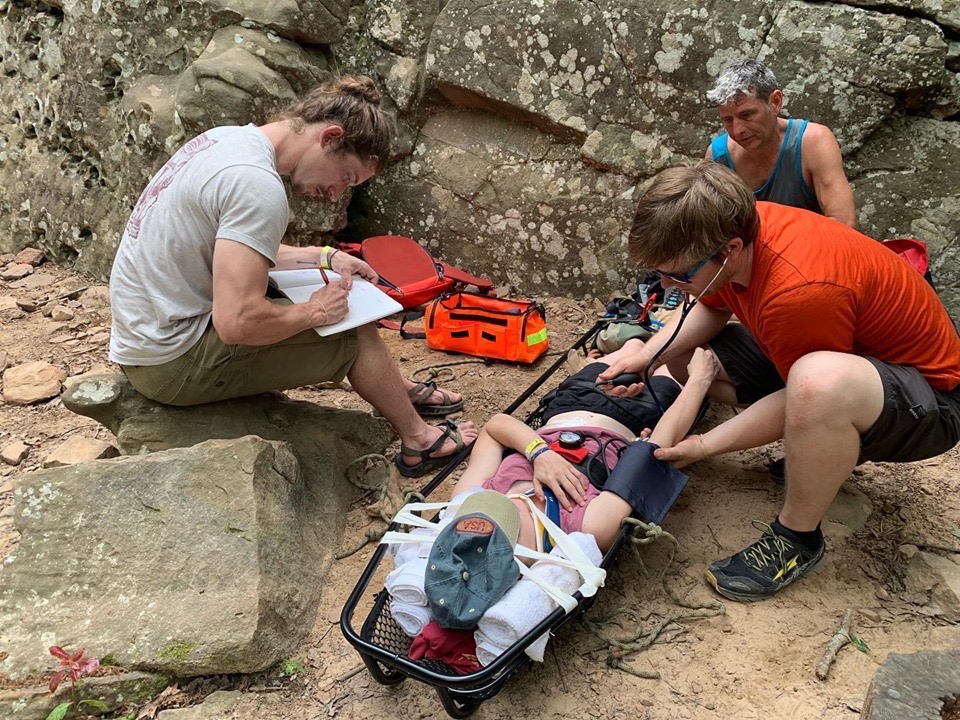
Nestled in the heart of the breathtaking Arizona wilderness, my recent experience with the National Outdoor Leadership School (NOLS) for a Wilderness First Responder (WFR) course was nothing short of life-changing. This adventure was more than just a foray into the world of wilderness medicine—it was a deep dive into the importance of higher wilderness medicine education for outdoor enthusiasts and adventurers. Join me as I share my journey through this incredible course and explore why every outdoor enthusiast should consider taking a WFR course.
Unveiling the NOLS Experience in Tucson:
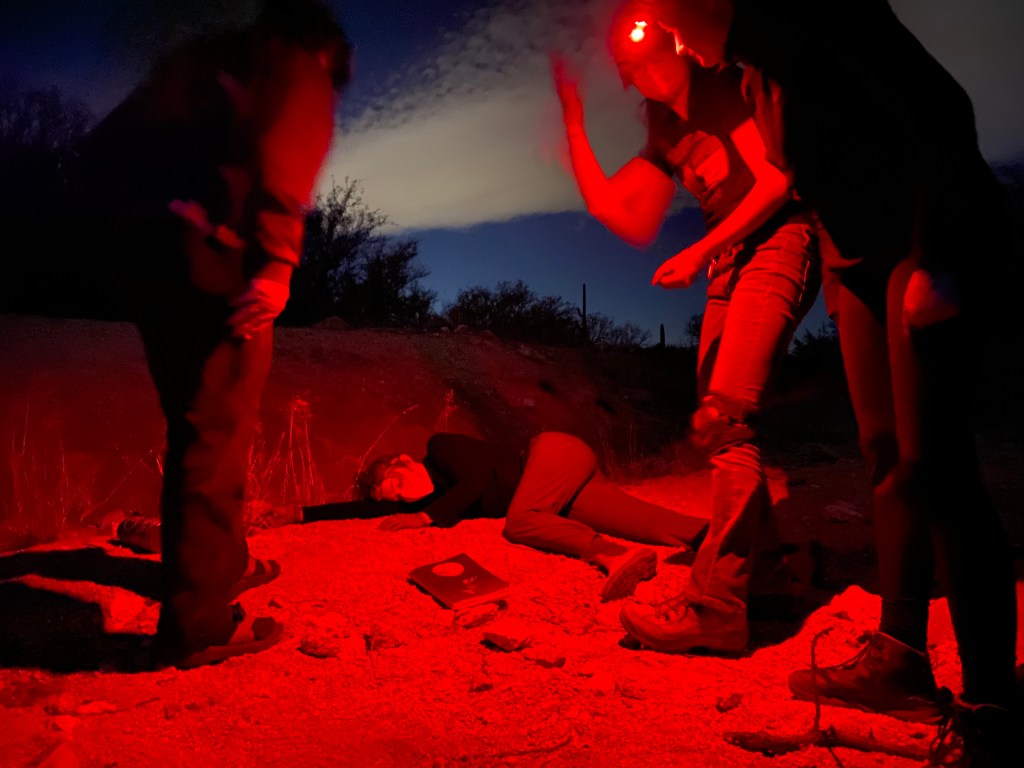
Tucson, Arizona, provided the perfect backdrop for our NOLS WFR course. Surrounded by the rugged beauty of the Sonoran Desert, the course started with a bang, immersing us in the core principles of wilderness medicine. Instructors were not just educators; they were seasoned experts who had countless outdoor stories to tell.
Our journey began with the basics: the ABCs of assessing injuries and illnesses—Airway, Breathing, Circulation. Learning how to stabilize a patient in the field felt like deciphering a complex puzzle, but under the guidance of our instructors, we slowly found our footing.
The Importance of Wilderness Medicine Education:
As outdoor enthusiasts, we often find ourselves far from the comforts of civilization. Whether you’re a hiker, a camper, a climber, or an adventure seeker of any kind, the need for wilderness medicine knowledge cannot be overstated. Here’s why:
Remote Locations: The beauty of the outdoors is its remoteness. This, however, can also be a challenge when accidents happen. A WFR course equips you to provide immediate care, potentially saving lives when professional help is hours away.
Understanding of the Environment: Wilderness medicine isn’t just about band-aids and splints; it’s about understanding the unique challenges presented by the outdoors. From altitude sickness to heat-related illnesses, a WFR course provides insights into the environmental factors that can affect health.
Confidence in the Field: Knowing what to do in an emergency situation is not just comforting—it’s empowering. Confidence in your ability to respond to crises can transform your outdoor experiences.
Building a Safety Culture: By taking a WFR course, you’re contributing to a culture of safety within the outdoor community. When more individuals are educated in wilderness medicine, the collective experience becomes safer for everyone.
In the Field: Simulation and Real-Life Scenarios:
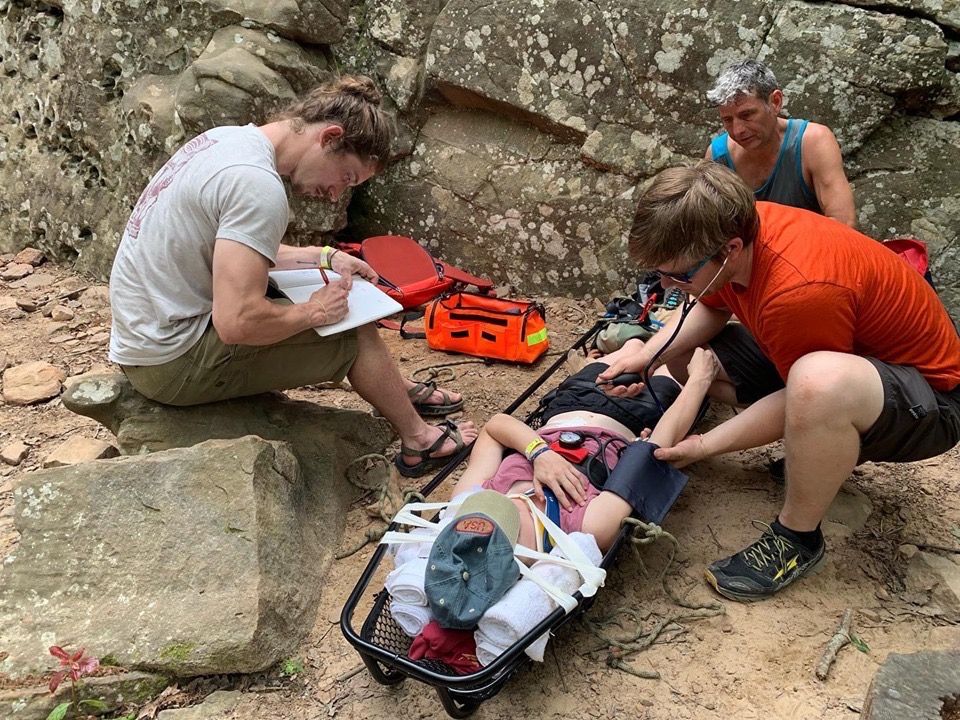
The NOLS course was not all classroom lectures. In fact, most of the learning happened in the field. We simulated injuries, performed patient assessments, and enacted rescue scenarios. These practical exercises helped us apply the knowledge we’d gained, making the learning experience vivid and memorable.
As a team, we learned to trust each other and ourselves, working cohesively to tackle challenging situations. These field exercises were intense and occasionally nerve-wracking, but they were instrumental in preparing us for real-life situations.
My Wilderness First Responder course with NOLS in Tucson, AZ, was not only a journey into wilderness medicine but a revelation of the responsibility that comes with being an outdoor enthusiast. Higher wilderness medicine education equips us to be stewards of the outdoors, capable of helping others when they need it most.
By investing in a WFR course, you’re not just gaining a skill set; you’re becoming a guardian of the wilderness, someone who can ensure the safety and well-being of fellow adventurers. So, if you’re passionate about outdoor recreation, take the leap and consider enrolling in a WFR course. It’s an investment in your own safety and the safety of those who share your love for the great outdoors.
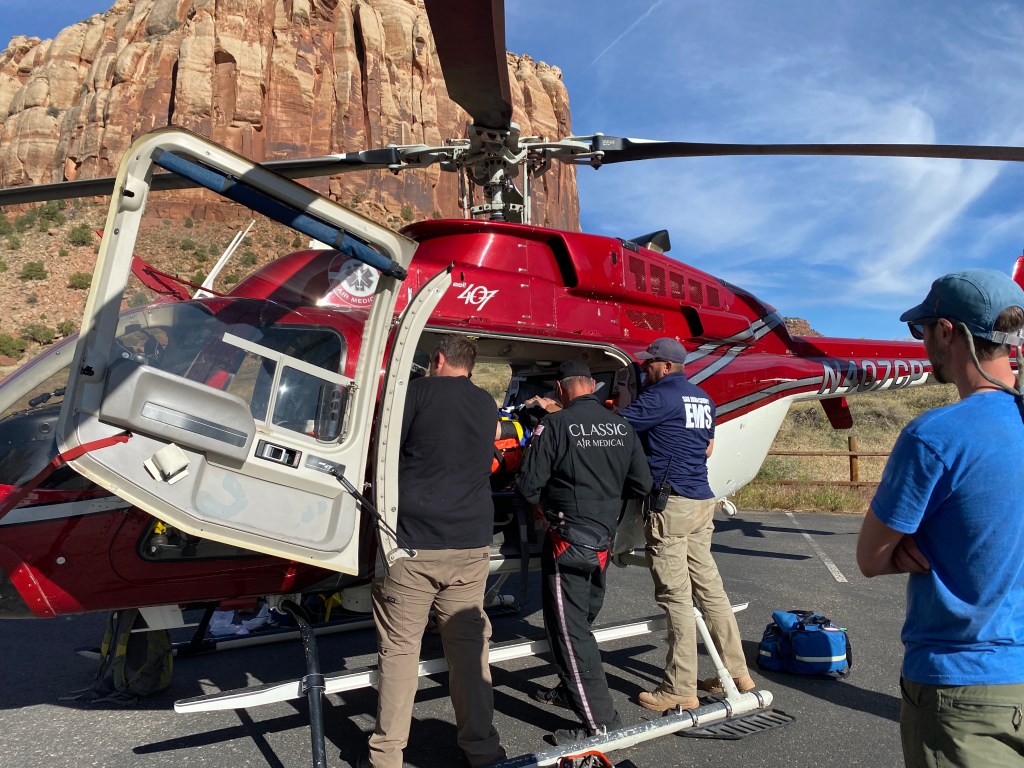
When it comes to saving lives in challenging terrains, few organizations match the dedication and courage of volunteer search and rescue teams. Red Rock Search and Rescue, based in the picturesque state of Nevada, has long been known for their commitment to safety and their unwavering dedication to helping those in distress. Today, we’re going to dive into the inspiring world of the Red Rock Search and Rescue Volunteer Technical Ropes Team. From the very first day of training to thrilling group exercises and an upcoming search mission, we’ll provide an inside look at what it takes to be a part of this remarkable team.
The First Day of Training:
My journey with the Red Rock Search and Rescue Technical Ropes Team began with a mixture of excitement and apprehension. As I walked into the training center for my first day, I was welcomed by a group of experienced team members who exuded passion for their work. We were briefed on the core values of the organization, emphasizing teamwork, dedication, and a commitment to the safety of those in distress.
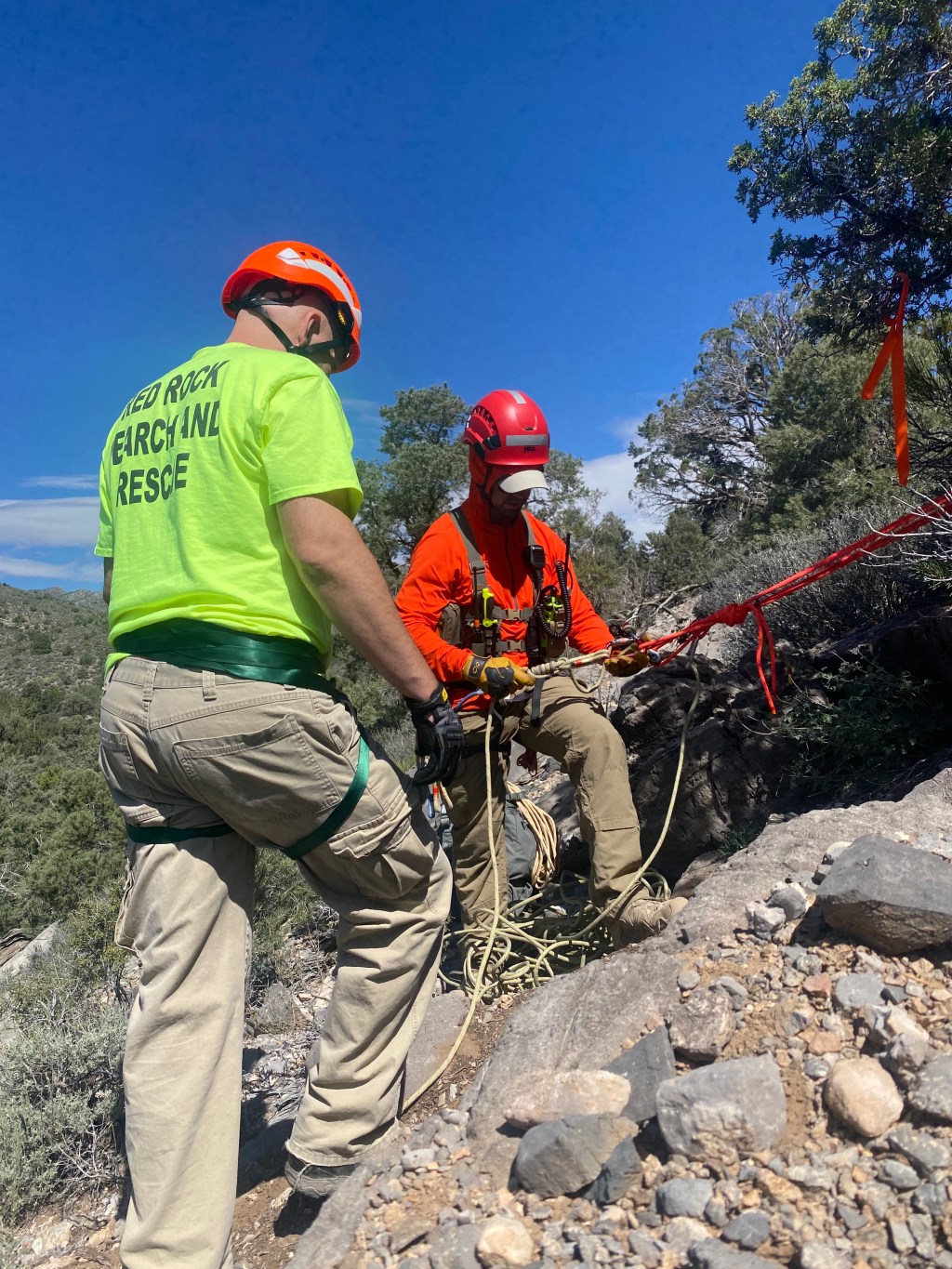
The initial training day was focused on basic rope skills and safety procedures. It was here that I learned the importance of clear communication, teamwork, and attention to detail. We were introduced to various pieces of specialized equipment, such as harnesses, carabiners, and ropes, which would become our lifelines in the field.
The Group All-Day Exercise:
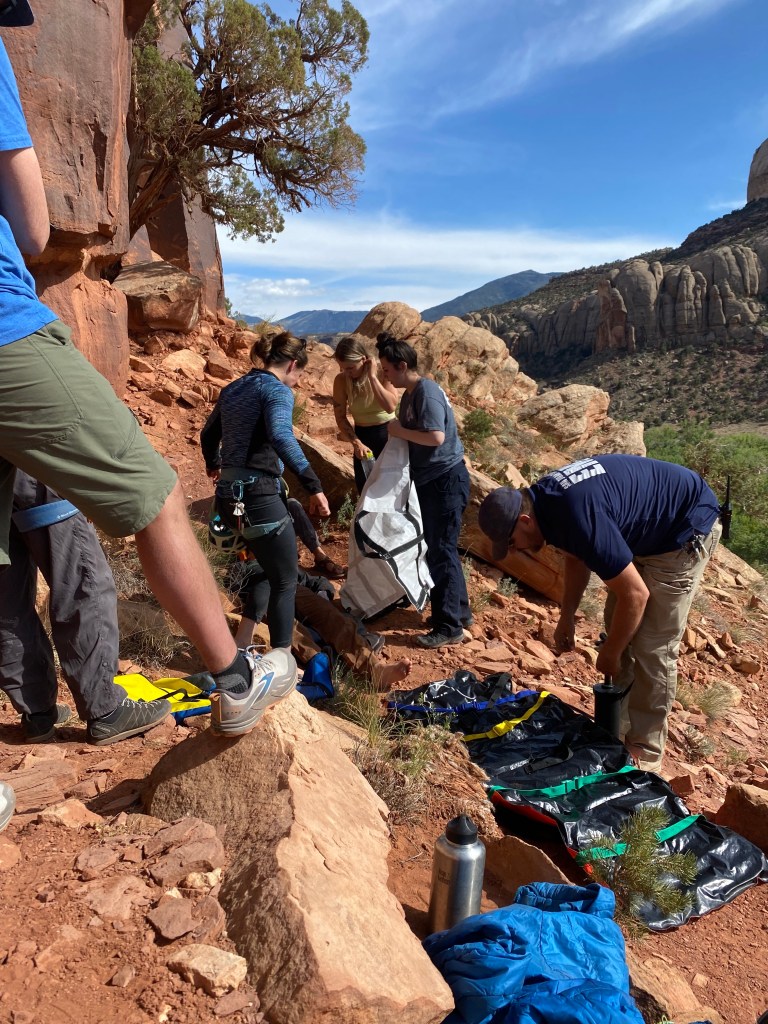
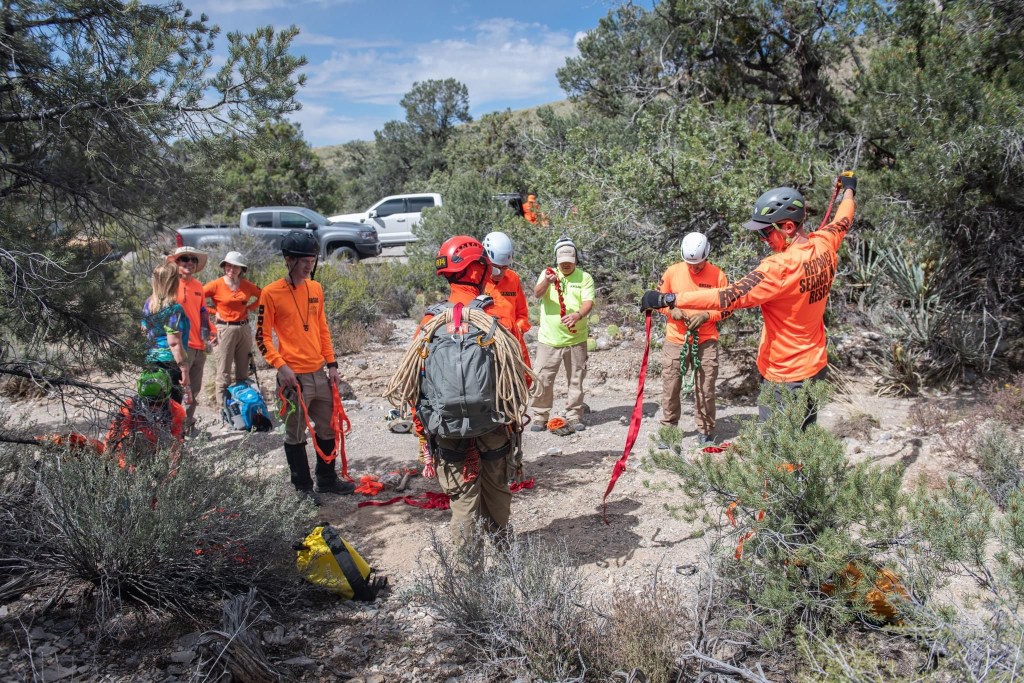
One of the most memorable and exhilarating experiences during my training was the all-day group exercise held in the stunning Red Rock Canyon. The purpose of this exercise was to simulate real-life rescue scenarios, and it gave us an opportunity to put our newly acquired skills to the test.
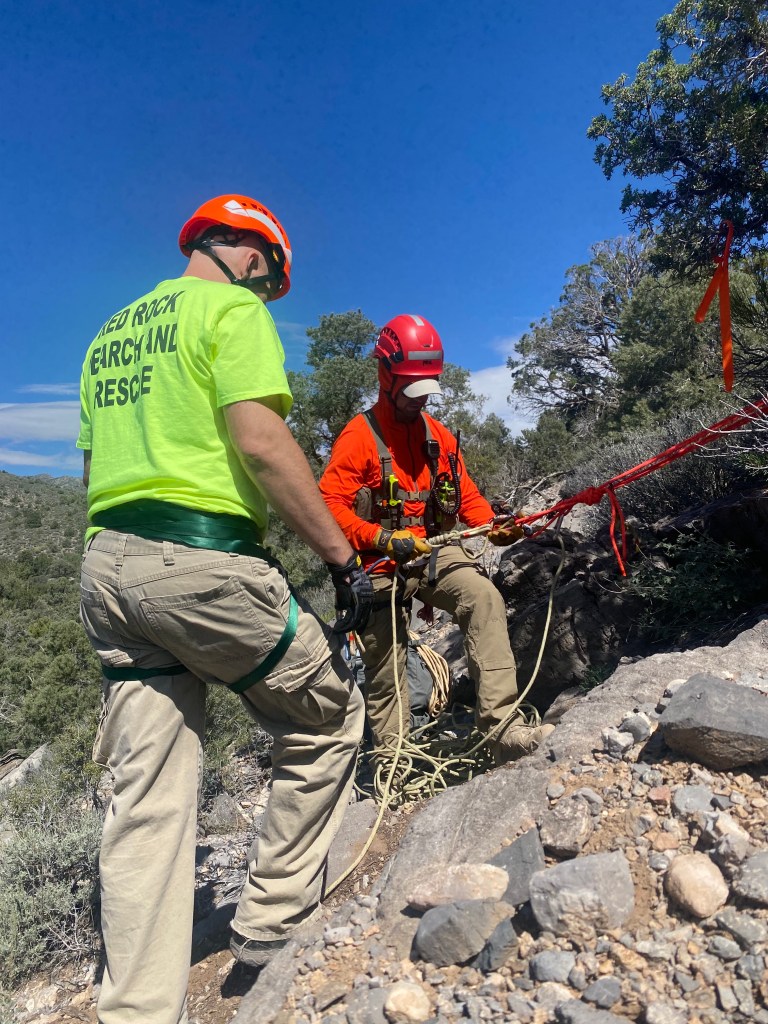
Under the guidance of experienced team leaders, we practiced setting up anchor systems, rappelling down cliffs, and conducting complex rescues. It was physically demanding, mentally challenging, and incredibly rewarding. This exercise not only allowed us to refine our skills but also solidify the bonds of trust and camaraderie within the team.
An Upcoming Search Mission:
As the sun sets on our training period, the anticipation for an upcoming search mission is palpable among team members. Red Rock Search and Rescue is preparing to embark on a challenging operation in the heart of the Nevada wilderness, where a lost hiker urgently needs our help.
The mission involves deploying our Technical Ropes Team to search for and rescue the lost hiker, who is believed to be stranded on a steep and treacherous cliff. We’ve been studying topographic maps, conducting risk assessments, and fine-tuning our rescue plans. The mission is set to test not only our technical skills but also our ability to adapt and problem-solve in high-pressure situations.
 SHEA MCCRARY